Today's Pick
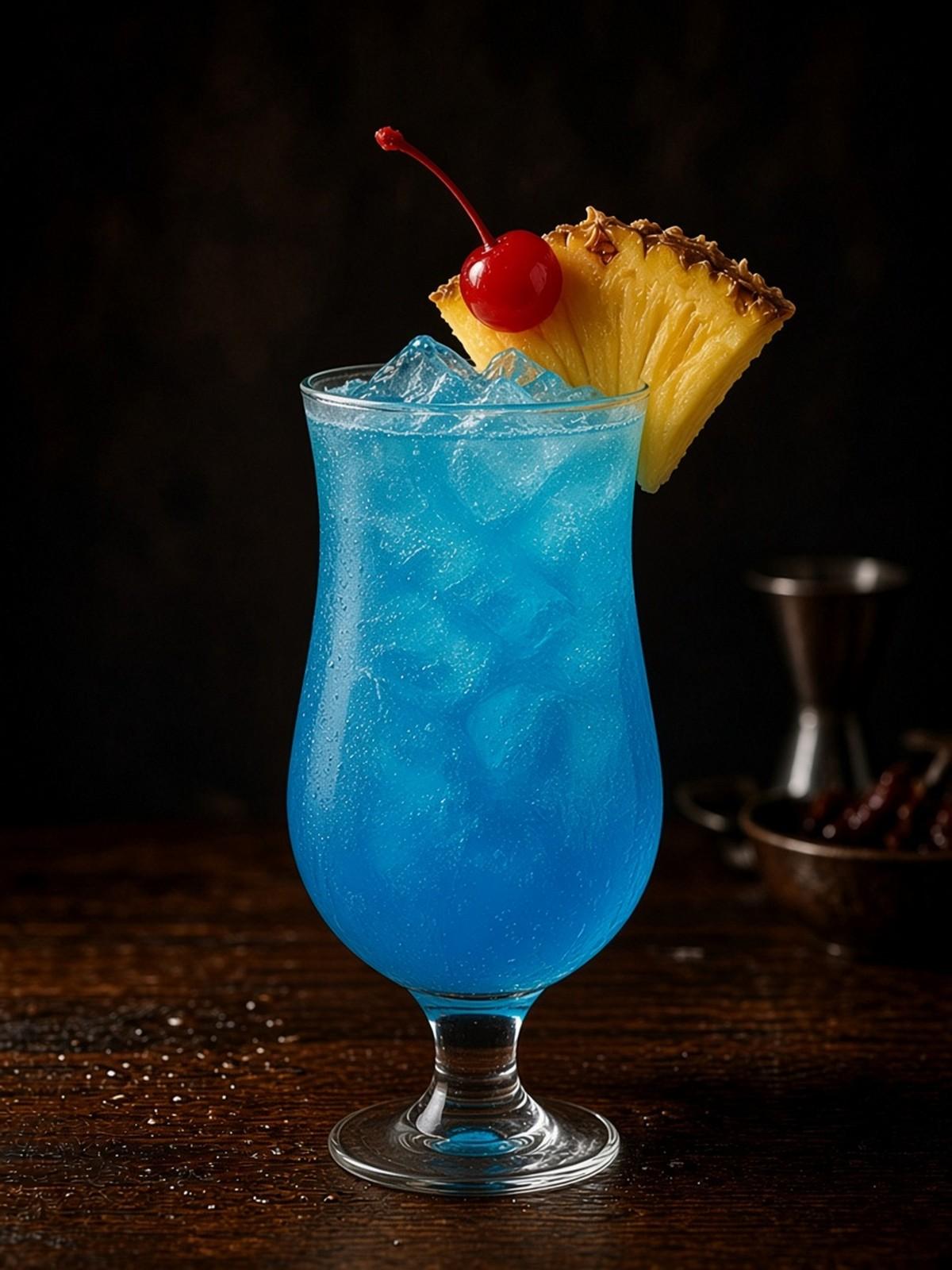
Blue Hawaiian
white rum, blue curaçao, coconut cream, pineapple juice
Easy10% ABV
View RecipeYour home bar, elevated
Add what's already in your bar, then discover cocktails you can make right now — with expert technique notes, balance guidance, and a bit of history.
Today's Pick
white rum, blue curaçao, coconut cream, pineapple juice
Transport yourself to a Polynesian paradise. These rum-forward tropical cocktails are bold, complex, and endlessly fun.
11 cocktailsLight, refreshing, and perfect before a meal. These elegant drinks prove you don't need high proof to have high flavor.
17 cocktailsWeekend mornings deserve something special. Bright, citrusy, and perfectly balanced for late-morning sipping.
16 cocktailsRich, warming, and deeply satisfying. These cocktails are made for cold nights and crackling fires.
14 cocktails
The most versatile spirit in the bar. Gin's botanical backbone — led by juniper — makes it the perfect canvas for everything from crisp, citrus-forward highballs to rich, stirred classics. Whether you reach for a bold London Dry or a floral New Western, gin rewards curiosity.

Brighter, more rose-forward, and more delicate than standard sweet vermouth. Made from Brachetto grapes in Piedmont, Italy, Cocchi Rosa brings a floral, slightly bitter elegance that shines in spritzes, gin highballs, and anywhere you'd reach for a light aperitif.
Select a spirit to explore cocktails you can make.
The most versatile spirit in the bar. Gin's botanical backbone — led by juniper — makes it the perfect canvas for everything from crisp, citrus-forward highballs to rich, stirred classics. Whether you reach for a bold London Dry or a floral New Western, gin rewards curiosity.
Brighter, more rose-forward, and more delicate than standard sweet vermouth. Made from Brachetto grapes in Piedmont, Italy, Cocchi Rosa brings a floral, slightly bitter elegance that shines in spritzes, gin highballs, and anywhere you'd reach for a light aperitif.

The neutral spirit. Vodka's clean, almost invisible profile makes it the ultimate mixer — it amplifies whatever it's paired with without competing. From crisp Eastern European grain vodkas to rich potato expressions, there's more nuance here than most people expect.

Distilled from sugarcane or molasses, rum is the spirit of the tropics — and one of the most diverse categories in the bar. From bone-dry agricole to rich, aged Jamaican expressions, rum's range is extraordinary.

The world's most complex spirit category. From the smoky peat of Islay Scotch to the sweet vanilla of Kentucky Bourbon, whiskey rewards exploration. It's the foundation of the Old Fashioned, the Manhattan, and the Paper Plane.

Made from agave in Mexico, tequila and mezcal are among the most terroir-driven spirits in the world. Tequila is bright and vegetal; mezcal adds smoke and complexity. Both are extraordinary in cocktails.

Distilled from wine or fermented fruit, brandy is one of the oldest spirit categories. Cognac — from the Charente region of France — is the most celebrated expression: rich, complex, and endlessly nuanced.

The smoky, artisanal soul of Mexican spirits. While tequila is made exclusively from blue agave, mezcal can be made from dozens of agave varieties — each with its own terroir and character. The roasting of the agave hearts in underground pits gives mezcal its signature smokiness, but the best mezcals are far more complex than just smoke.

Italian bitter liqueurs with centuries of history. Made by macerating herbs, roots, flowers, and citrus peel in neutral spirit, amaro ranges from the gentle bitterness of Aperol to the intense, medicinal complexity of Fernet-Branca. Essential for the Paper Plane, the Black Manhattan, and dozens of modern classics.

Spain's greatest contribution to the cocktail world. Sherry is a fortified wine from the Jerez region of Andalusia — ranging from bone-dry fino to rich, nutty oloroso. Its complexity and low alcohol content make it one of the most versatile cocktail ingredients in the bar.
The world's most celebrated brandy, made from grapes in the Charente region of France. Aged in Limousin oak barrels, cognac develops extraordinary complexity — dried fruit, vanilla, spice, and floral notes that make it the foundation of the Sidecar, the Vieux Carré, and the Brandy Alexander.
The art of the aperitivo hour. Bitter, aromatic, and endlessly versatile — aperitifs like Campari, Aperol, and Lillet Blanc are the backbone of some of the world's greatest cocktails. Low in alcohol, high in complexity.

The backbone of the Negroni, the Manhattan, and the Boulevardier. Sweet vermouth is an aromatized, fortified wine infused with botanicals — herbs, roots, bark, and spices. Italian vermouths tend to be richer and more vanilla-forward; French expressions are lighter and more herbal. Always refrigerate after opening.

Orange liqueurs are the unsung heroes of the cocktail world. From the Margarita to the Sidecar to the Cosmopolitan, these sweet, citrus-forward spirits appear in more classic recipes than almost any other modifier. Triple sec is clear and clean; curaçao is richer and more complex.

Where white rum is clean and neutral, dark rum brings depth — vanilla, caramel, molasses, dried fruit, and warm spice from extended barrel aging. Jamaican rums add funky esters; Demerara rums bring rich, treacle-like sweetness. Essential for tiki drinks, rum Old Fashioneds, and anything that calls for warmth and complexity.
The essential Martini ingredient. Dry vermouth is a fortified wine infused with botanicals — lighter, crisper, and more herbal than its sweet sibling. French dry vermouths are the benchmark, but new expressions from around the world are expanding what this category can be. Always refrigerate after opening — it's wine, not spirits.

Spicier, drier, and more assertive than bourbon — rye whiskey's peppery backbone makes it the superior choice for stirred cocktails. Where bourbon brings sweetness, rye brings structure. It's the definitive spirit for the Manhattan, the Sazerac, and the Vieux Carré.
The lighter, sweeter cousin of Campari. Aperol's gentle bitterness, bright orange color, and low alcohol (11% ABV) make it the perfect afternoon aperitivo spirit. Born in Padua in 1919, it waited nearly a century to become the global phenomenon it is today — thanks largely to the Aperol Spritz.

The bridge between the bar and the café. Coffee liqueurs range from the sweet, vanilla-forward Kahlúa to drier, more espresso-forward craft expressions. Essential for the Espresso Martini, the White Russian, and the Black Russian — and increasingly used in modern cocktails that lean into coffee's bitterness.

A crystal-clear liqueur distilled from Marasca cherries — pits, stems, and all. Don't confuse it with maraschino cherry syrup. Maraschino liqueur is dry, nutty, and subtly funky — more almond than cherry. It's the secret weapon in the Aviation, the Last Word, and the Hemingway Daiquiri.

The bartender's ketchup — so called because it makes almost anything taste better. St-Germain is made from freshly harvested elderflowers in the French Alps, hand-picked during a brief window each spring. Floral, honeyed, and subtly tropical, it bridges spirits and wines beautifully.

Triple-distilled for smoothness, Irish whiskey is lighter and more approachable than Scotch or bourbon. Its clean, slightly sweet character makes it the natural choice for Irish Coffee, the Irish Mule, and simple highballs where you want warmth without weight.

Made by Carthusian monks since 1737 from a secret recipe of 130 herbs and botanicals. Green Chartreuse is one of the most complex spirits in existence — herbaceous, sweet, spicy, and utterly unique. It's the soul of the Last Word and the Bijou, and there is nothing else quite like it.

The green fairy. Absinthe is a high-proof spirit distilled with anise, fennel, and wormwood — the ingredient that gave it its mythical (and largely exaggerated) reputation. In cocktails, a tiny amount — a rinse or a few dashes — adds an unmistakable herbal, anise complexity. Essential for the Sazerac and the Corpse Reviver No. 2.

A French aperitif wine from Bordeaux, made from a blend of wines and citrus liqueurs. Lighter and more wine-forward than vermouth, with honey, orange blossom, and a gentle bitterness. James Bond made it famous in the Vesper Martini, but it's equally stunning served ice-cold with a slice of orange as an afternoon aperitif.
A French herbal liqueur with a history stretching back to 1510 — originally made by Benedictine monks in Normandy. Its recipe of 27 herbs and spices produces a complex, honeyed sweetness with saffron, myrrh, and warm spice. D.O.M. on the label stands for Deo Optimo Maximo. Essential for the Bobby Burns, the Vieux Carré, and the Singapore Sling.
The bartender's handshake. Fernet-Branca is an intensely bitter Italian amaro made from 27 herbs including myrrh, chamomile, saffron, and peppermint. It's an acquired taste — medicinal, minty, and aggressively bitter — but once you acquire it, nothing else satisfies. Essential for the Toronto cocktail and a rite of passage in the bar industry.
A carefully curated set of refined classics and modern favorites, written in the approachable, technique-focused style we love.
Explore the Collection